What is worth knowing before you book
- The platform charges what the gate charges, so booking ahead costs nothing extra. It holds your place, it cancels free if the day changes, and the operator’s own page and the platform’s ticket listing carry the same figure. A Tomar tour listing quotes it in its own inclusions. The only live question is what the extra thing adds. The ticket, and what it covers.
- Read the admission line, not the title. Ten of the eighteen listings put the ticket in the price; three carry it as an option in brackets, and one of those is the most-rated way into this monument, with the convent named in its title. Every listing, grouped by what it actually gets you.
- The plain ticket rates 3.9, and every written review of it is five stars. On 173 ratings, all ten of the written reviews are five — which says the gap is in what people expected, not in what they got. What its reviewers do raise is the Templar castle named in its title, and the rest is not guessed at here. The ticket listing, read line by line.
- Every rating on this page arrives with its count beside it. Several smaller listings carry only a handful of reviews — Five of the sixteen Tomar listings have one or two apiece and one is newly listed — so the exact number is printed next to every score. What reviewers actually wrote.
- Work is going on, and it is not a rumour. The operator says areas are restricted for conservation, and seven reviewers on five different listings describe scaffolding, a closure or storm damage in their own words. The scope changes, so check the operator’s page rather than any list on any site, this one included. Hours, closures and the restoration.
- Whether the Templars survived here is an argument, not a mystery. The property exception is written into a papal bull and the new order’s recognition is dated to 1319; what historians disagree about is how much of the old order walked into the new one. The claim, and both sides of it.
What the ticket buys, and what a guide adds to it
The convent sells its own admission and the platform resells it for the same money, so the honest way to lay this out is two columns: what the door gives you either way, and what the extra is actually for.
On the ticket, bought anywhere
- The convent itself: the round Templar oratory, the church added under Manuel I, the cloisters and the terraces
- The same admission the operator sells at its own counter, at the same price, whichever of the two you buy
- A booking made before you travel, which is the one real difference the platform’s ticket listing makes
- Nothing else in the town. Whether the castle walls around it are open is a question its own reviewers keep raising
- Explanatory panels. A reviewer of the ticket listing wanted more than that and said so in a five-star review
What the extra is actually for
- Somebody to ask. Reviewers on the guided listings keep saying the same thing in different words. The building does not explain itself
- A way of getting here. Seven of the eighteen listings are days out of Lisbon with the transport in the price, because this monument is about 135 km from the capital
- A pace. The shortest guided listing spends most of its two hours inside; the longest Tomar day runs from morning to evening with lunch in the middle
- Not, necessarily, the ticket. Three listings gate it in brackets and two say plainly that it is yours to buy
- Not the hill. Nothing on the platform flattens it, and only a couple of listings warn you about it at all
How a visit actually goes, from the bottom of the hill
Seven stops in the order you meet them, with the disagreements left in.
Nothing about this route is enforced. There is no timed slot and no one-way system; the sequence below is simply the one that makes the building legible, because it follows the order the building was made in.
- The hill, which is the part nobody books — The convent stands at the top of the hill above the town. UNESCO’s own text says the town is dominated to its west by the complex as it stands at the top of a hill. From the station it is about 1.3 km and roughly twenty minutes, uphill. One listing’s meeting point puts it better than any guidebook: a café in the monument’s car park, “which is uphill, not downtown”. Getting here from Lisbon.
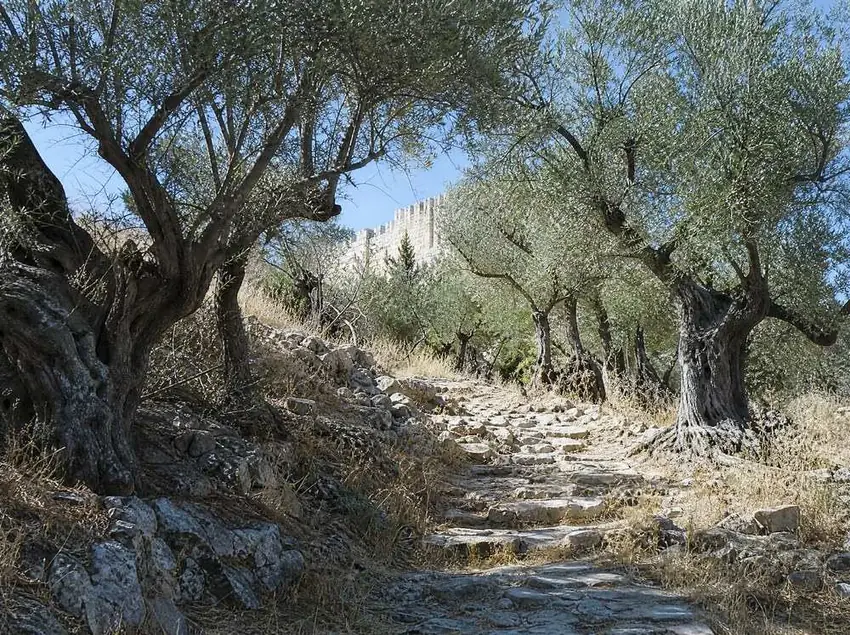
- The castle walls, which came first — The Templars began building here in 1160 under Gualdim Pais, and the convent grew inside a fortress rather than the other way about. Whether you can walk the walls is a live question, and the answer comes from reviewers rather than from the operator: two people who bought the ticket listing — whose title names the Templar castle — wrote that the castle was shut when they came. Another, on a Lisbon day trip, warns about the climb, the tree roots underfoot and the absence of any railing at the top. The Templars in Tomar.
- The Charola, and the argument inside it — The round oratory is the reason the rest of this exists: a drum of a room where the knights heard mass, and one of the few Templar rotundas left in Europe. What it was modelled on is where the sources part company: the Holy Sepulchre in Jerusalem and the Dome of the Rock are both proposed, no medieval document records what the builders intended, and the honest phrase is thought to be modelled on. Why it is round.
- The nave Manuel I added, straight onto the side of it — The rotunda stopped being the whole church when a Manueline nave was built onto it, so you walk out of a twelfth-century oratory into a church raised while Portuguese ships were working their way down the Atlantic under the cross of the Order of Christ. It is the plainest thing in the building: two eras of ambition joined by one arch. What to see, in order.
- The Chapter House window, from outside — The Janela do Capítulo is on the outside of the church’s west front, which is why people walk past it. You have to go round and look back. It is the most famous piece of Manueline carving there is, and its attribution is disputed rather more than the postcards admit: the credit usually given to Diogo de Arruda is an attribution and not a documented commission, English-language sources name a different architect, and a scholarly study proposes a new author again. The window, and who carved it.
- The cloisters, and there are more of them than you have been told — Two independent sources enumerate eight by name. No source gives seven, which is the figure that circulates. The operator publishes no total at all, and the smaller counts in official texts belong to a single building campaign rather than to the convent. Saying that is more useful than inventing a tidy number. The cloisters, named.
- The terrace, and the aqueduct walking away from it — The last thing to do here is look outward: the Aqueduto dos Pegões brought the convent its water, and you can see it striding off across the valley. Terraces and parts of the cloisters have been affected by conservation work, the scope of that changes, and no list of what is shut belongs on a page written months before your visit. The operator’s page is the one to check. The aqueduct.
Every listing on this page books that same admission at the operator’s own price — what differs is who meets you at the gate, and whether the climb is included. Nothing here moves you up a queue that does not exist. What a booking can add is a person who knows which arch is which, or a seat in something that drives up the hill. All eighteen listings, and what each one says about itself.
Four things to settle before you pay for anything
Decide whether you need anybody
The convent sells a ticket at the door for what the platform charges, so exploring independently is straightforward. A licensed guide is what unlocks the Templar symbolism and the four centuries of building layered on top of each other — that is what the extra buys, and it is the only thing it buys.
Read the inclusions, not the title
Three listings name the convent and then gate the ticket in the inclusions with the phrase “(if option selected)”. One listing’s private version includes the tickets while its small-group version says they are not included, under the same summary line.
Check the unit before the figure
Seventeen of the eighteen quote per person. One quotes per group of up to four, which reads four times its real cost against a per-head column and about a hundred and ten a head against a party of four.
Find out what is open, on the day
Conservation work is under way, the convent closes on a short list of fixed dates including 1 March, and reviewers report parts of the site fenced off. None of that is stable enough to publish here, which is why this page links the operator instead of copying it.
The best-value way in with somebody explaining it
Two lines in its inclusions and both are the point: “Entrance tickets to the Convent of Christ” and “Guided tour with a knowledgeable local guide”, neither with a bracket after it. Ninety minutes of the two hours are inside. It meets at the snack bar by the outer entrance of the Templar castle, near the car park (up the hill, not in the town), and it runs in English only. It carries 5.0 from 8 ratings, which is a small base and is printed here for that reason. Live dates below.
The ticket, a guide, or a coach from Lisbon?
Three ways into the same building. The first is the admission itself, resold at the operator’s own price. The second adds a person for two hours. The third is how most people who reach this monument actually reach it, and it is the one whose admission comes in brackets.
| Tomar: Convent of Christ and Templar Castle Tour Ticket | Guide and ticket, cheapestTomar: Walking Tour to Convent of Christ Small Group & Tickets | From Lisbon: Tomar, Convent of Christ & Almourol Castle | |
|---|---|---|---|
| Price | €15 per person | €42 per person | €67 per person |
| Rating | 3.9 from 173 ratings | 5.0 from 8 ratings | 4.8 from 700 ratings |
| Convent admission | It is the admission | Included, and unconditional | “Entrance to the Convent of Christ (if option selected)” |
| Anyone explaining it? | Nobody. Panels on the wall, and whatever you read beforehand | “Guided tour with a knowledgeable local guide”, in English, about ninety minutes of it inside | A “Professional tour guide” for the whole day, in four languages, with Almourol Castle and a church in Tomar as well |
| Where it starts | At the monument, whenever you turn up | At the snack bar by the castle’s outer entrance, up the hill | In Lisbon, for a nine-hour day; it cancels below three participants |
| What its reviewers raise | The Templar castle in its own title being shut: two separate reviews say so | Small groups not being rushed past things | Parts of the convent under renovation |
| Best for | Anyone who has done the reading and wants the building to themselves | Anyone in Tomar who would rather be told what they are looking at | Anyone starting the day in Lisbon without a car |
| View → | Book this → | View → |
Gallery
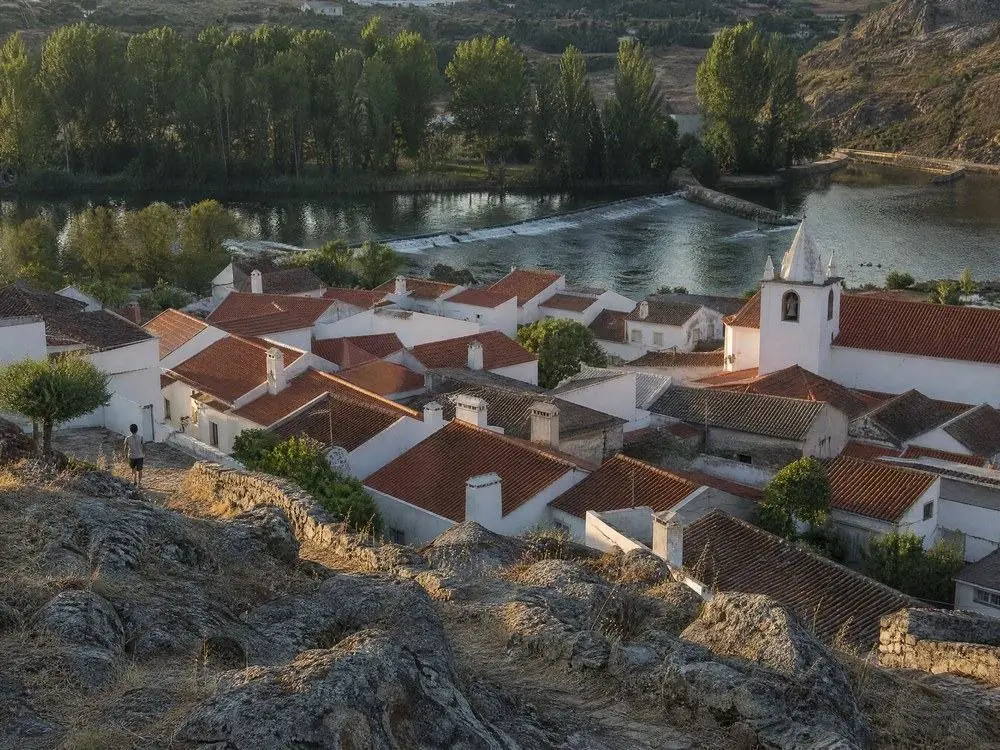
The walls, the cloisters and the town below them
Six pictures of the visit itself: the castle wall the whole convent was built inside, two storeys of cloister arcade, the carving Portugal invented for itself, the aqueduct that watered it, and the town at the foot of the hill.
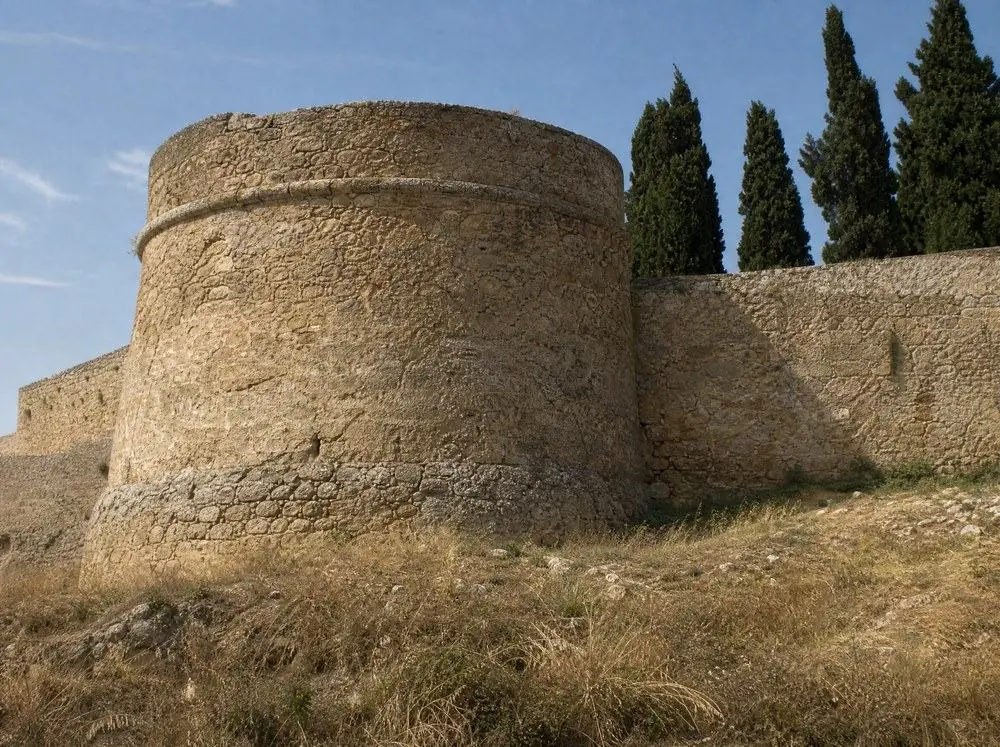
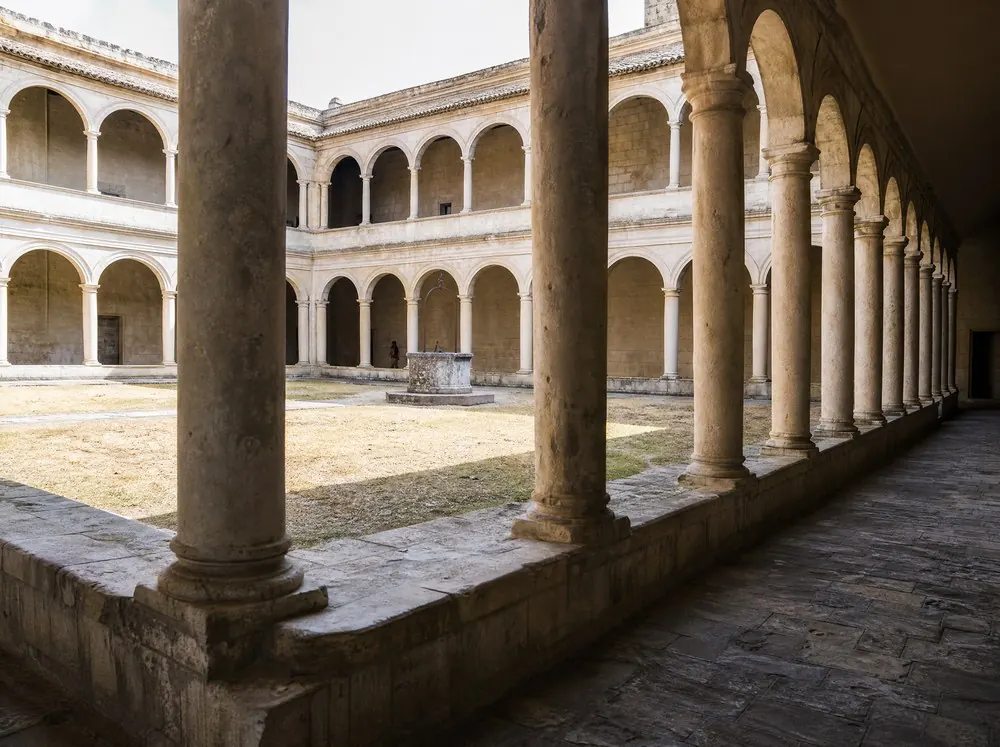
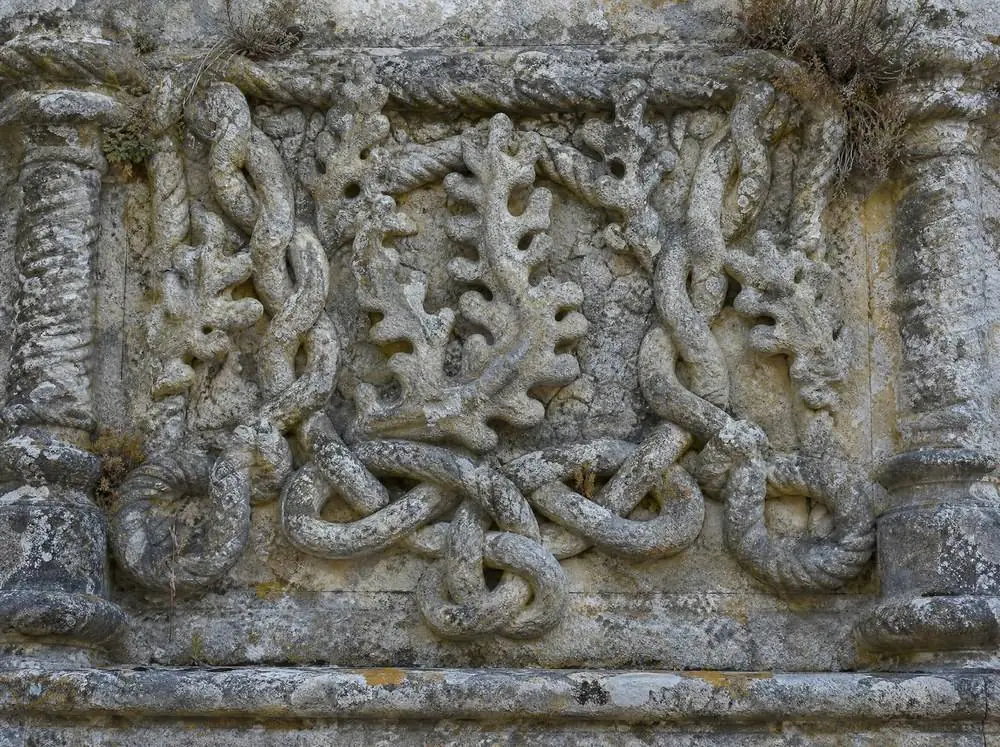
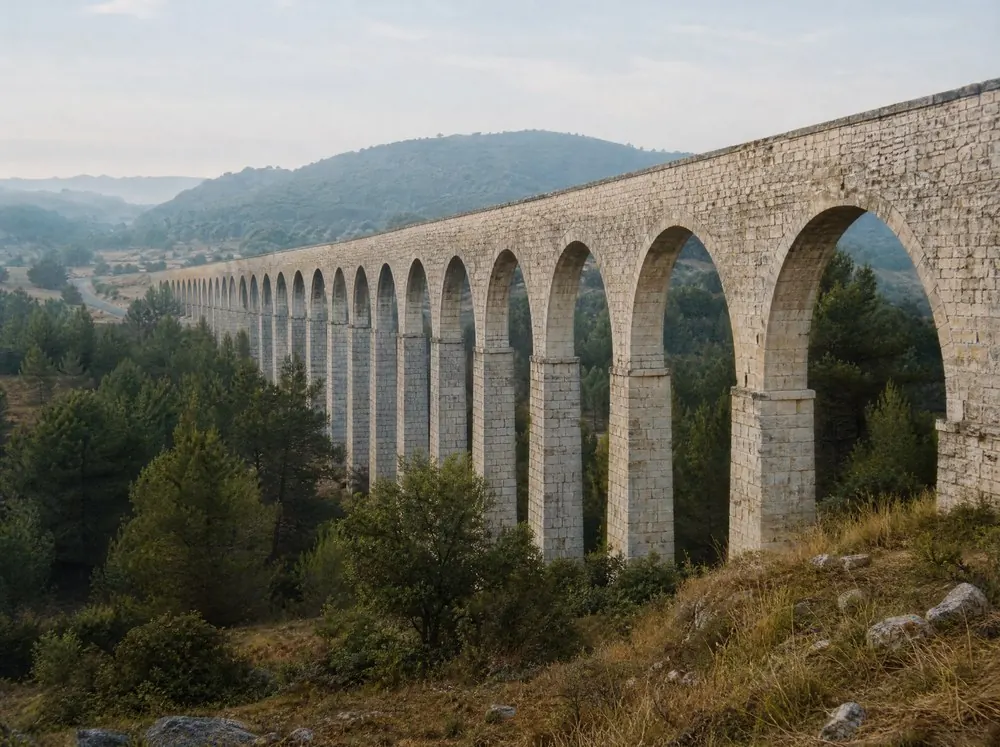
Six of the eighteen, and what each one is really selling
The first is the best-value listing carrying both a guide and the ticket with no condition attached. The second is the admission itself, at the operator’s own price, and the quickest way to hold a place without booking a guide. The third is the most-rated way to this monument by a distance, and its ticket comes in brackets. The fourth sells four monuments in eleven hours and answers the admission question differently depending on which version you click. The fifth is priced per group rather than per head, which is the easiest expensive mistake to make here. The last is a Templar day built around Almourol and the route beyond Tomar, with the convent seen from the town rather than from inside the walls — a different day, and a good one. All eighteen, with the admission column.
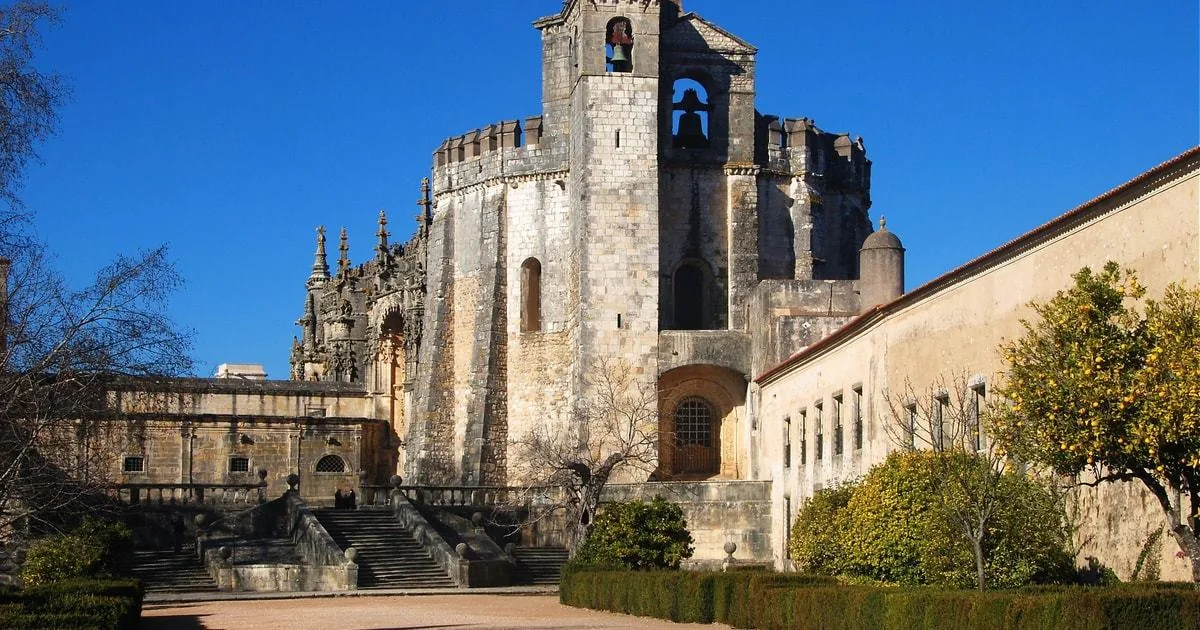 Cheapest with a guide
Tomar: Walking Tour to Convent of Christ Small Group & Tickets
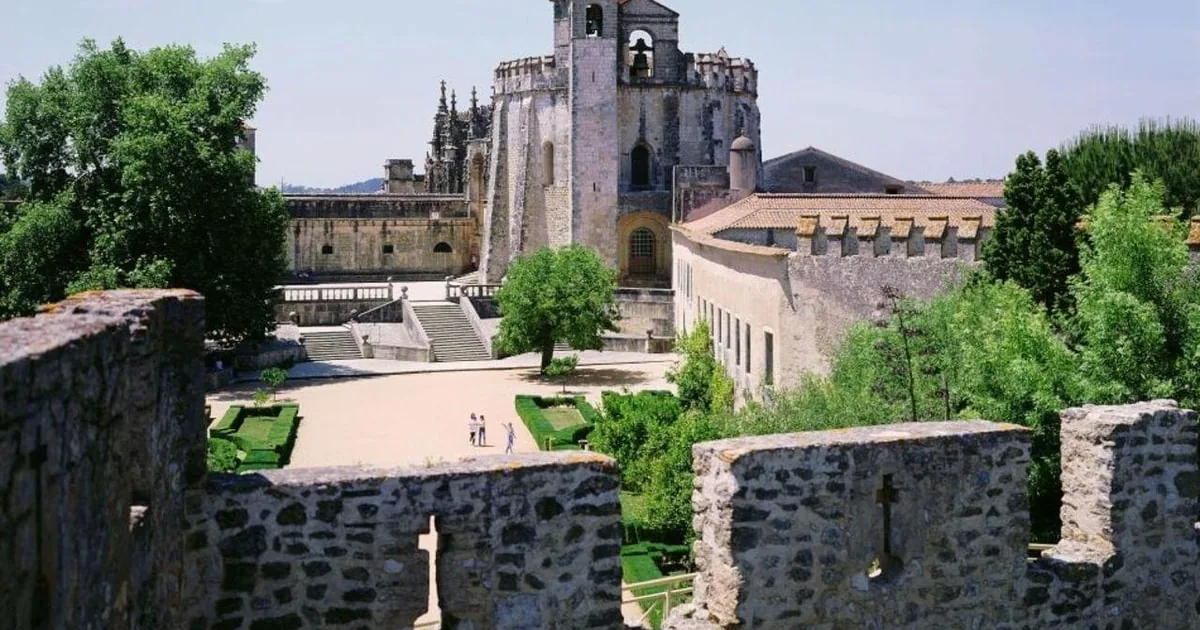 The ticket itself
Tomar: Convent of Christ and Templar Castle Tour Ticket
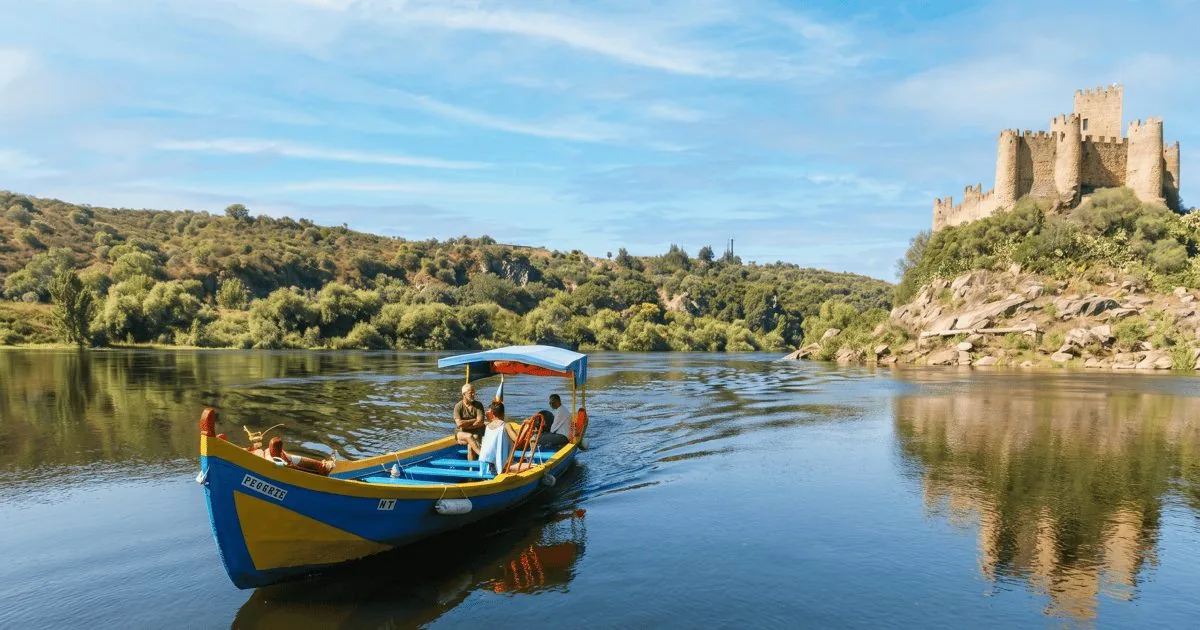 Most-rated by far
From Lisbon: Tomar, Convent of Christ & Almourol Castle
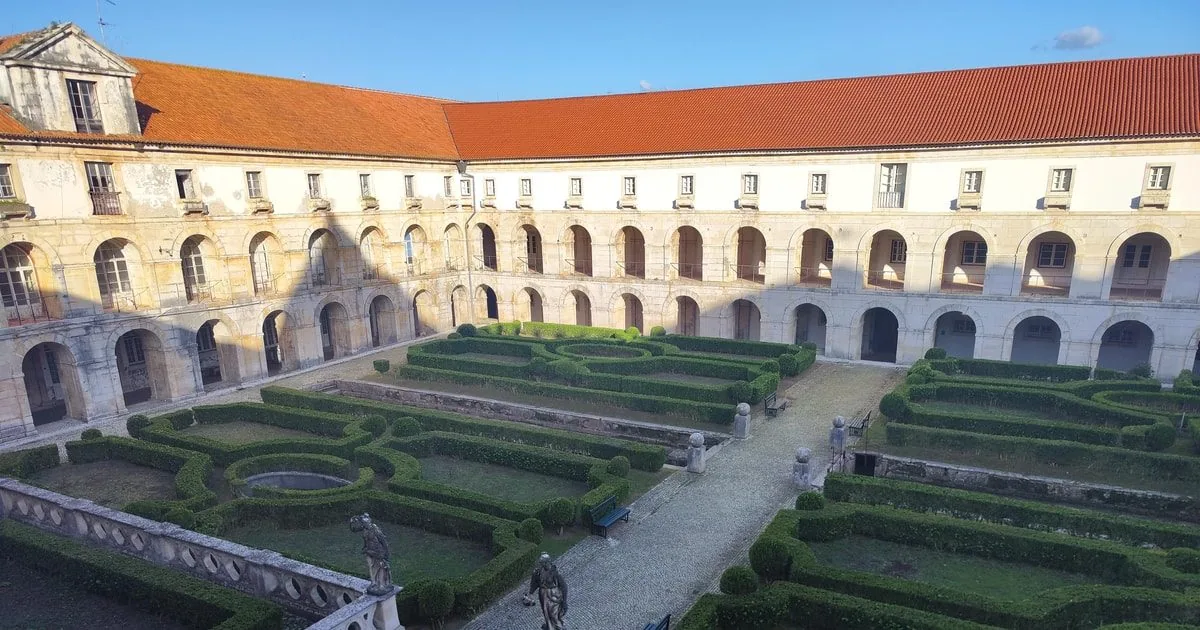 Read the option carefully
Tomar, Batalha, Alcobaça & Óbidos Templar & Medieval Legacy
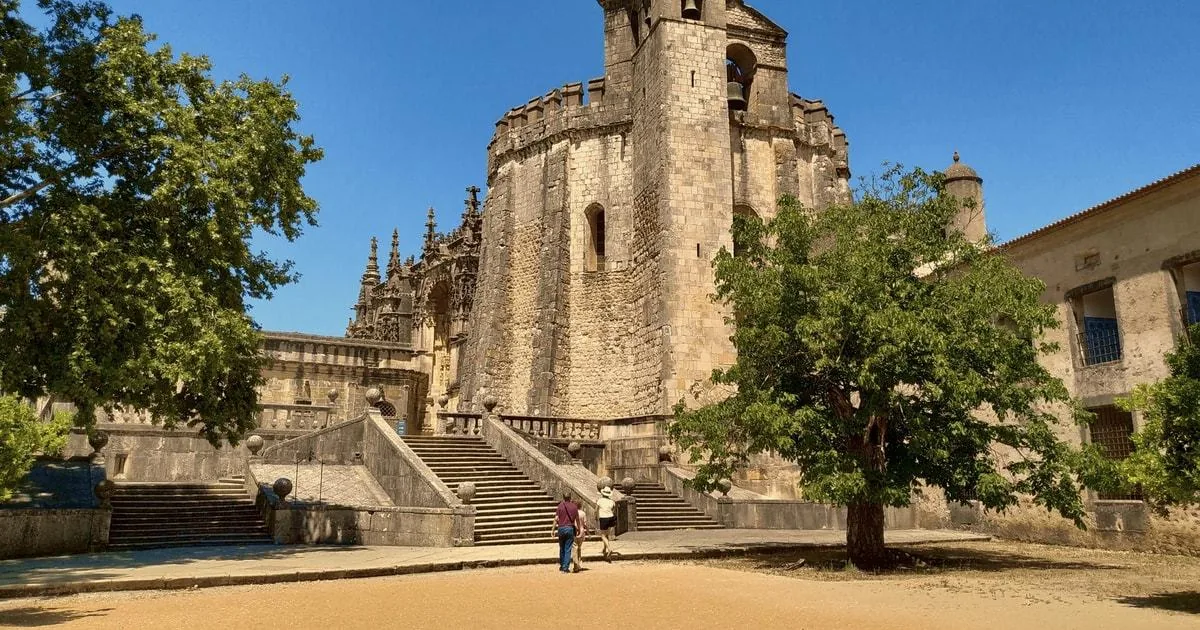 Priced per party
Tomar: Knight's Templar Castle and Convent of Christ Tour
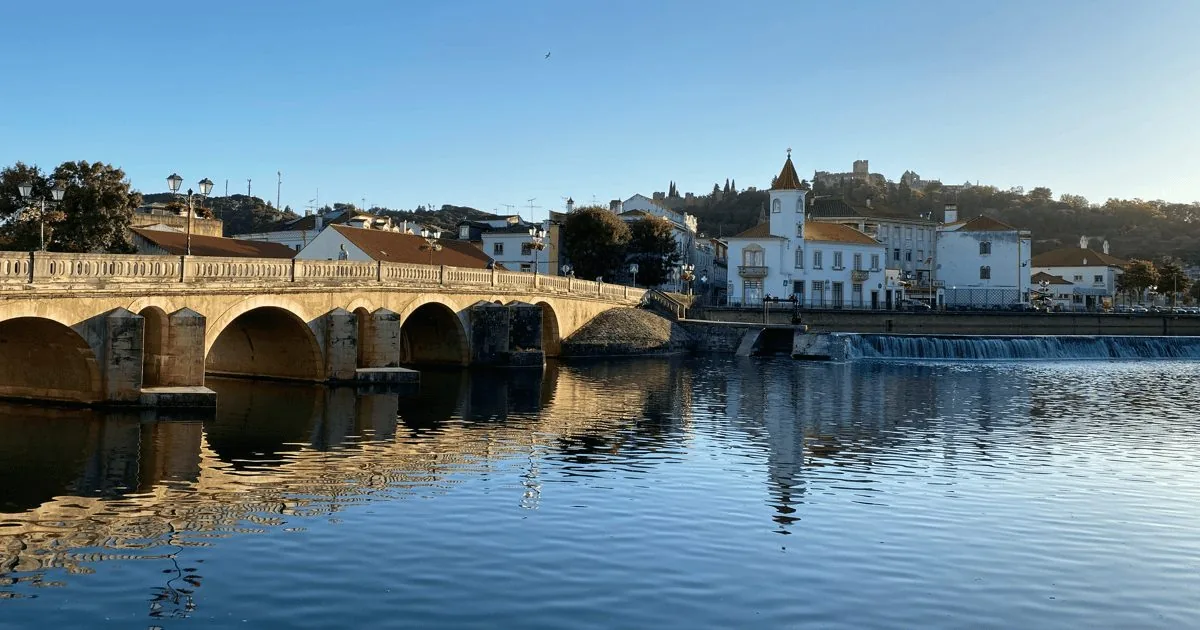 Tomar from the town
Tomar: Templar Historic Center
Six reviews that tell you something you did not know
Quoted as written and attached to the listing each one was left on. 108 written reviews across sixteen of the eighteen listings; the other two are newer and still building a review count.
The castle is currently shut... but the convent more than makes up for it - huge, interesting, amazing church.
I expected more than explanatory panels, perhaps a museum
Definitely recommend going on a small group tour as watching the bigger groups go by they seemed to rush from one area to the next, not getting the time to stop and really understand and appreciate what they were seeing.
I couldn’t imagine touring the site without a guide, there’s so much more than face value
Although the Convent was partially closed to visitors due to renovations, thanks to her passion, this was one of the most beautiful visits we had in Portugal.
It is important to have the appropriate shoes - the hike at the castle is short but there are uneven surfaces on the path with many tree roots and it can get slippery.
Ratings and reviews are the operators’ live GetYourGuide figures. Read our full tour reviews ›
Four things the booking page will not tell you
Settled here rather than at the top of a hill, with a ticket in your hand and a scaffold in front of you.
Is the ticket cheaper at the door?
No, and it is not cheaper on the platform either, which is the unusual thing about this monument. The operator’s own page and the platform’s ticket listing carry the same figure, and a Tomar tour listing prints it inside its own inclusions, so the equality can be checked without leaving the platform. What a booking gets you is the booking. The ticket, in full.
Then why is that listing rated 3.9?
On 173 ratings, and all ten of its written reviews are five stars — so the gap is in what people expected rather than in what they got. What its reviewers do raise is the Templar castle named in its title: two of them say it was shut. The listing, read line by line.
Does my tour include getting in?
Check before you assume, because the titles are no guide to it. Ten listings put the ticket in the price, three carry it as an option in brackets, two say outright that you buy your own, and three are Templar-route days built around somewhere else. The wording to look for is “(if option selected)”. All eighteen, with that column.
Is the Templar castle open, and is anything else shut?
The operator states that areas are restricted for conservation work, and says nothing we could read about the castle; the castle closure comes from reviewers, two of whom bought the ticket listing that names it. Because the scope of the work changes, no list of closures belongs on a page written months before your visit. Hours, closed days and the restoration.
Can’t make these dates?
Browse more available Convento de Cristo tickets and tours and find one that fits your schedule — all with instant confirmation and free cancellation.
The Convento de Cristo, explained
Two questions come up at the bottom of this hill, and neither is the one people expect. The first is whether to buy the ticket in advance, and since it costs the same either way that is not really a question. The second is whether the Templars survived here, which is a genuine argument between historians, not a secret anybody is keeping.
A castle first, and a convent inside it
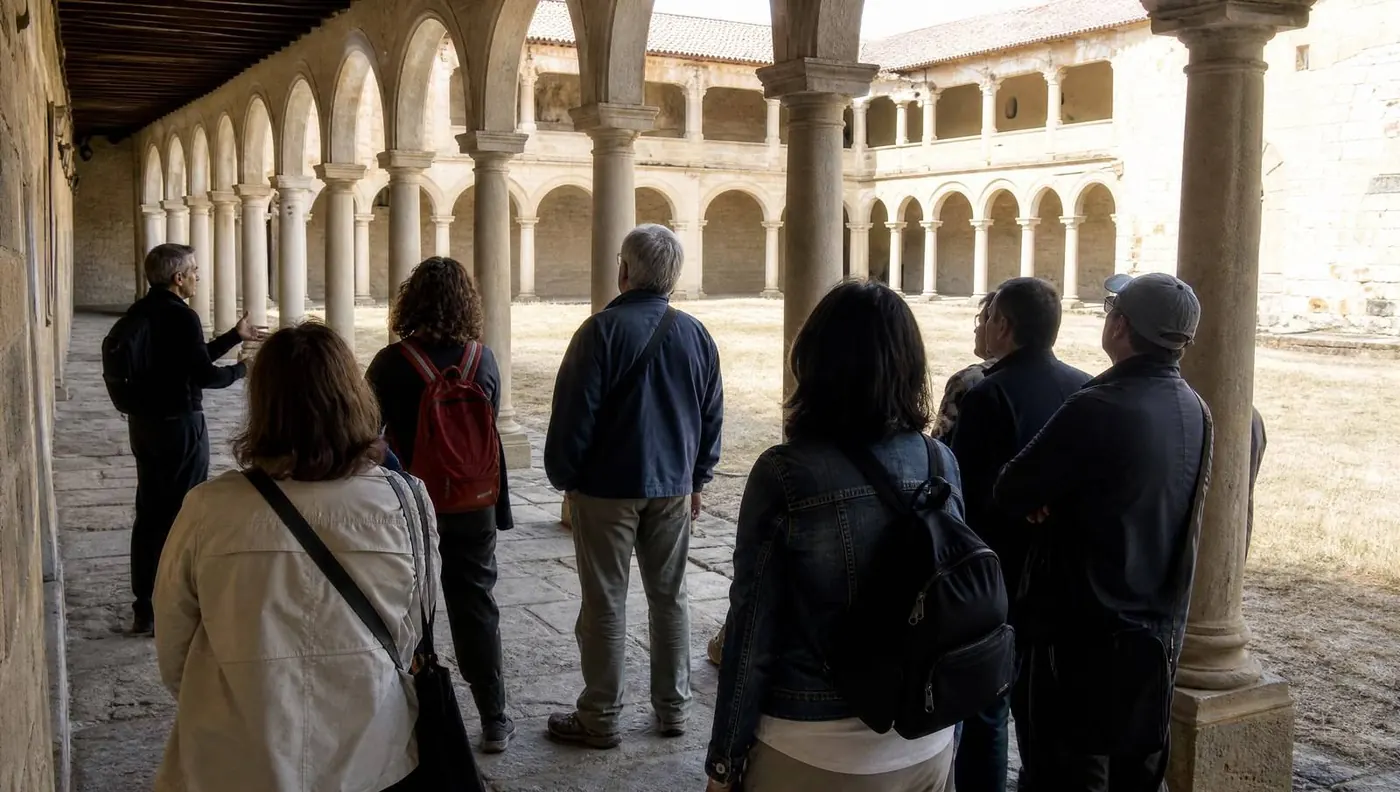
The Knights Templar began building here in 1160, under Gualdim Pais, and everything that followed happened inside their walls: a round oratory for the knights, then a church, then cloister after cloister as the money changed hands. UNESCO put it on the World Heritage list in 1983 as reference 265, and its first criterion is a single sentence worth reading before you climb: “The primitive church of the Templars, together with its constructions of the Renaissance, forms a masterpiece of human creative genius.” That is the shape of it: a twelfth-century drum, with centuries of ambition built onto the side.
What happened in 1312, and what did not
The order was suppressed by papal act in 1312, and Jacques de Molay was burned in 1314. That much happened to Templars everywhere. What did not happen in Portugal was the rest of it: no arrests were recorded here, and the same bull that handed Templar property to the Hospitallers expressly excepted the Portuguese kingdom from the transfer. King Dinis founded a new order, Pope John XXII recognised it in 1319, and it took over the castles and the estates, along with a good many of the men.
Whether that means the Templars survived is where the historians divide, and this site does not pick a side. Some read the Order of Christ as the Templars under a new name; others see a mostly new foundation. Two documented facts sit awkwardly with the romantic version and belong beside it: the new order’s first Master was the serving Master of Avis rather than a Templar, and its first seat was Castro Marim, down in the Algarve, not Tomar. The order arrived here later, and four different years appear in the sources for when, with UNESCO’s own listing giving two of them. The claim, and both sides of it.
The Charola, the nave and the window
The Charola is the round Templar oratory and the reason the rest of this exists; what it was modelled on is disputed, with the Holy Sepulchre and the Dome of the Rock both proposed and no medieval document recording what the builders had in mind. Off one side of it stands the nave added under Manuel I, so you walk out of the twelfth century into a church raised while Portuguese ships were working their way down the Atlantic. Round the west front, outside, is the Janela do Capítulo, the most famous piece of Manueline carving there is, and the one thing here nobody can settle: the credit usually given to Diogo de Arruda is an attribution rather than a documented commission, and other sources name other men. Then the cloisters, of which two independent sources name eight (seven is the number that circulates and nothing supports it), and finally the terraces, with the Aqueduto dos Pegões striding off across the valley. What to see, in order.
What the ticket buys, and what it does not
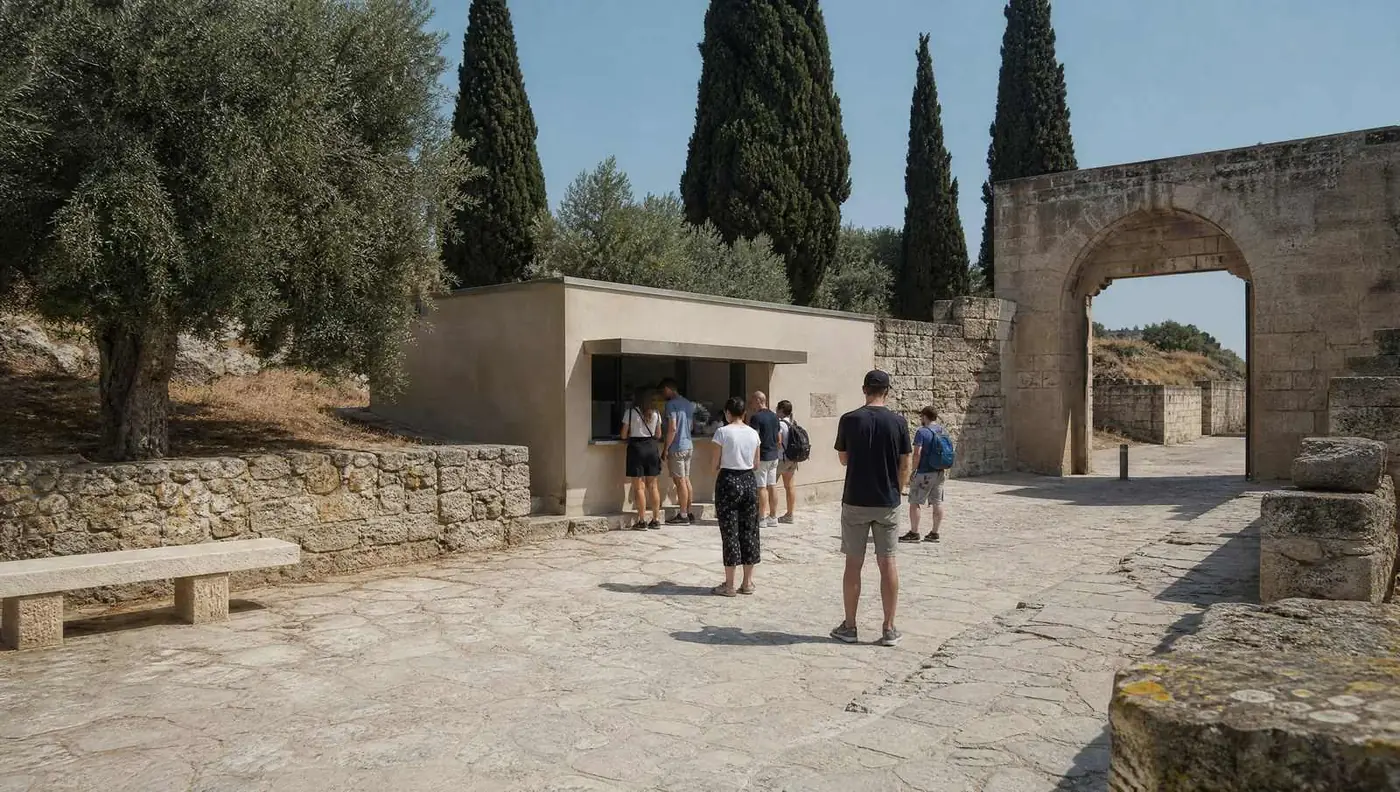
Here is the unusual part, and the reason this site does not run the argument you expect. The operator sells admission at its own counter for about fifteen euros; the platform’s ticket listing charges the same money, and one Tomar tour listing prints the figure inside its own inclusions, so you can check that from either end. Nobody is being overcharged, so the only question left is the good one: whether you want somebody standing beside you.
What you should read before you book anything is the admission line, not the title. Of the eighteen listings this site tracks, ten put the convent ticket in the price, three put it in the inclusions and then gate it — “(if option selected)” — two say outright that you buy your own, and three never go inside at all. One of the gated ones is the best-selling day trip that reaches this monument, and the convent is named in its title. All eighteen, with that column.
What the plain ticket gets you, and what it leaves out
Every written review of that listing is five stars while the score is not, which puts the gap in what people expected rather than in what they got. What its reviewers do raise is the Templar castle named in the listing’s own title: two of them wrote that it was shut when they came, and one added that it was already closed at the time the experience was bought. That is a reviewer’s account rather than the operator’s, and the difference matters. Inventing a tidy explanation for the rest would be easy, and made up. The listing, read line by line.
If you are coming
Allow for the hill. The convent stands at the top of it and the station is about 1.3 km below, roughly twenty minutes on foot, and one listing’s meeting point describes its own car park as uphill, not downtown, which is the plainest warning in the catalogue. Check the operator’s hours before you travel: they change with the season, the convent is closed on a short list of fixed dates including 1 March, and conservation work is under way, which reviewers on several listings describe in their own words. The scope of it shifts, so no list belongs here. Then take your time in the round church, which is still the room where everybody stops talking. Hours, closures and the restoration, and whether the journey is worth it.
Frequently asked questions
How much does it cost to visit the Convento de Cristo?
About fifteen euros for standard admission, which is the operator’s own published figure. The platform’s ticket listing charges the same, and one Tomar tour listing prints the figure inside its own inclusions, so the equality can be checked from either side. Booking ahead here buys you the booking; a guided listing buys you a guide. What the ticket covers, with the figures.
Did the Knights Templar survive in Portugal?
Something survived; what to call it is the argument. The order was suppressed by papal act in 1312 and its property handed to the Hospitallers — except in Portugal, Castile, Aragon and Majorca, which the same bull expressly excepted. King Dinis founded a new order and Pope John XXII recognised it on 14 March 1319; it inherited the Portuguese Templars’ castles and estates, and many former Templars joined it. Some historians read that as the Templars under a new name; others see a mostly new foundation, and point out that the new order’s first Master was the serving Master of Avis rather than a Templar, and that its first seat was Castro Marim and not Tomar. The claim, and both sides of it.
What is the Charola?
The round Templar oratory at the heart of the convent, and the oldest part of it: a rotunda of a kind that has largely disappeared from Europe. What it was modelled on is disputed: the Holy Sepulchre in Jerusalem and the Dome of the Rock are both proposed, and no medieval document records what the builders intended, so “thought to be modelled on” is as far as the evidence reaches. The Charola.
Who carved the Chapter House window at Tomar?
The Janela do Capítulo is traditionally credited to Diogo de Arruda, and that credit is an attribution rather than a documented commission. English-language sources name a different architect, a scholarly study proposes a new author again, and the archival record placing Arruda at Tomar as master of works does not mention the window at all. The site says so instead of picking. The window, and the dispute.
How many cloisters does the Convento de Cristo have?
Eight, named individually by two independent sources. Seven is the figure that circulates and no source supports it. The operator publishes no total at all, and the smaller counts that appear in official texts are counts of a single building campaign rather than of the convent. The cloisters, named.
Is the Templar castle at Tomar open?
Reviewers say it was shut, and that report comes from them rather than from the operator, who does not address it. Two people who bought the ticket listing — whose title names the castle — wrote that it was closed when they visited. Separately, the operator states that areas of the convent are restricted for conservation work, and the scope of that changes. Hours, closed days and the restoration.
When is the Convento de Cristo closed?
On 1 January, 1 March, Easter Sunday, 1 May, and 24 and 25 December. The 1 March closure catches people out, because 1 March 1160 is the date given for the start of work on the castle, so anyone planning a visit around that anniversary would find the doors shut. Nothing sourced connects the closure to the date, so nothing here does either. Opening hours, both seasons.
How do you get from Lisbon to Tomar?
By train it is a direct regional service from Santa Apolónia or Oriente taking a little under two hours; by road it is about 135 km and about an hour and a half. Check the current timetable before you travel. From Tomar station to the convent is about 1.3 km and roughly twenty minutes, uphill. Getting there.
Do I need a guide at the Convento de Cristo?
Not to get in, and the ticket costs the same either way. Whether you want one is the real question: nothing in the building explains the join between a Templar rotunda and a Manueline church, and reviewers on the guided listings keep saying, in their own words, that they would have walked past most of it. Do the reading and the plain ticket is fine. Is it worth the journey?
Is Tomar a day trip from Lisbon, or worth staying the night for?
Most people come on a coach: seven of the eighteen listings tracked here are days out of Lisbon, and they usually pair Tomar with Almourol Castle. That works, and it is a long day. Staying the night buys you the town, an early start on the hill and no departure time to watch. Day trip, or a night in Tomar.
Still have questions? Email us [email protected]