The Knights Templar in Tomar: Gualdim Pais, 1 March 1160, and a castle built for the Reconquista
How they got here
The order’s Rule was written in 1128 and entered at the Council of Troyes in 1129, and Portugal is among its very earliest endowments anywhere. The frontier castle of Soure was donated to the Temple on 19 March 1128 — some sources argue 19 April — and the donor was Teresa, Afonso Henriques’s mother, rather than Afonso himself, who confirmed it. That detail is often overlooked and it is worth keeping, because it dates Portuguese Templar landholding to the year the Rule was drafted (Teresa, Afonso and who was governing what).
Three decades later came the grant that matters here. In February 1159 Afonso Henriques donated the lands of Ceras to the Temple in the person of Gualdim Pais — in exchange for the Templars dropping their claims on Santarém. It was a quarrel being settled, not a gift of simple piety, and the castle already on the land was in ruins. Rather than repair it, Gualdim Pais started again somewhere better: he “commenced the construction of the formidable new castle of Tomar from the ground up, on March 1, 1160”.
In 1162 he gave the town of Tomar its foral, its charter. He had been made Master in Portugal in 1157; he was born in 1118 — a year you will sometimes see wrongly attached to the founding of the convent, which is his birth and not the building’s — and he died at Tomar on 13 October 1195, an old man by the standards of a frontier. An epigraph associated with his castles names him and his origin: MAGISTER GALDINUS NOBILI SIQUIDEM GENERE BRACARA ORIUNDUS — Master Galdinus, of noble family, a native of Braga.
The title, and why “Grand Master” needs a qualifier here
You will see him called Grand Master of the Knights Templar constantly, including by UNESCO listing 265, whose text calls him “grand master of the Knights Templar” and “the first great master of the Templars”. Other sources are more careful: one calls him “master of the Templars in Iberia”, the Portuguese Wikipedia simply mestre Templário.
The distinction is real. The Templar Grand Mastership was a single international office, held in the East. Gualdim Pais held a provincial command. Writing “Grand Master of the Knights Templar” without qualification tells a reader he led the whole order, which he did not. Master of the Templars in Portugal is the more precise title, though you will meet UNESCO’s wording on the information panels.
What the castle was for
It was a frontier fortress. UNESCO says so in its own criterion for inscribing the place: the convent was “originally conceived as a symbolic monument of the Reconquest”, and its Brief Synthesis repeats it — “originally designed as a monument symbolizing the Reconquest”. The Reconquista is the centuries-long Christian campaign against Muslim rule in Iberia, and Tomar sat on the moving edge of it.
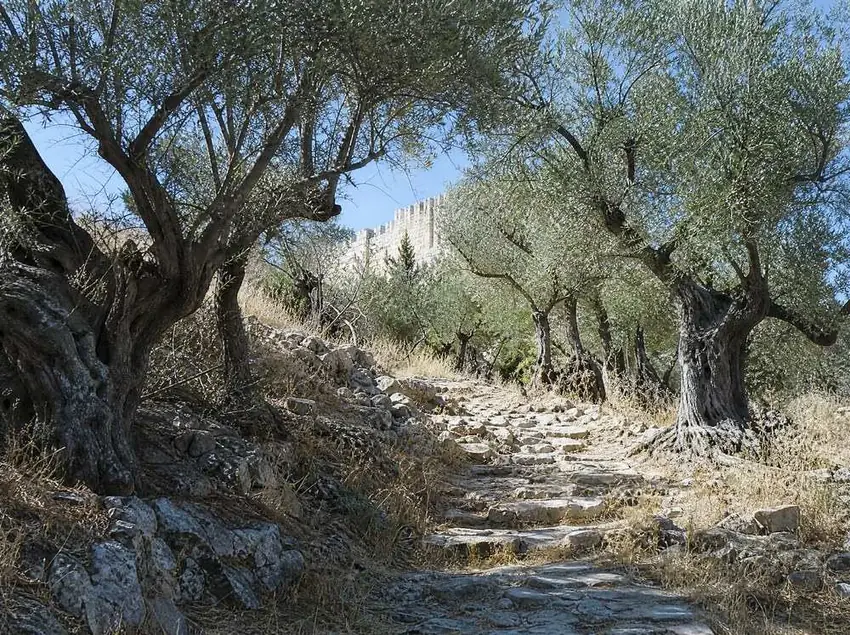
The building itself carries the proof. Work on the Charola stopped for roughly forty years in the middle, and the interruption is attributed to the Almohad wars; Tomar was besieged for five days during the Almohad campaign of the 1190s. A monastery does not usually have a gap in its construction because an army turned up. A frontier castle does (the two building campaigns).
Were the Templars Christian?
Yes, unambiguously: a Catholic military religious order, whose members took religious vows and whose houses were part of the Church. The reason the question gets asked at all is the heresy charges of the early fourteenth century, and the papal bull that dissolved the order is the best answer to those. Vox in excelso says, in the pope’s own words, that “legal process against the order up to now does not permit its canonical condemnation as heretical by definitive sentence”. They were suppressed. They were not convicted (how that worked).
What nationality were the Templars?
It was an international order rather than a national one, organised in provinces across Latin Christendom with a single Grand Master in the East. The men at Tomar were substantially Portuguese — Gualdim Pais was born at Amares, in the County of Portugal — but the order they belonged to was not a Portuguese institution, which is exactly why what happened to it in 1312 was decided in France and Rome rather than in Lisbon.
Who was the most famous Templar?
Internationally the name people reach for is Jacques de Molay, the last Grand Master, burned in 1314, largely because of how he died and what legend has added to it (what he actually said). In Portugal it is Gualdim Pais, and here it is not close: he founded the town, built the castle, gave Tomar its charter and is buried in it. Catarina, reviewing a day-long Tomar tour, describes exactly the arc a good guide walks you through — “taking us step-by-step from their origins in the Holy Land all the way to their legacy in Portugal”.
That legacy is the argument the rest of this site is about. The Templars were dissolved everywhere in Europe. In Portugal their castles passed, by open papal exception, to a new order that kept them (whether that is survival).
 Templar-specialist guide
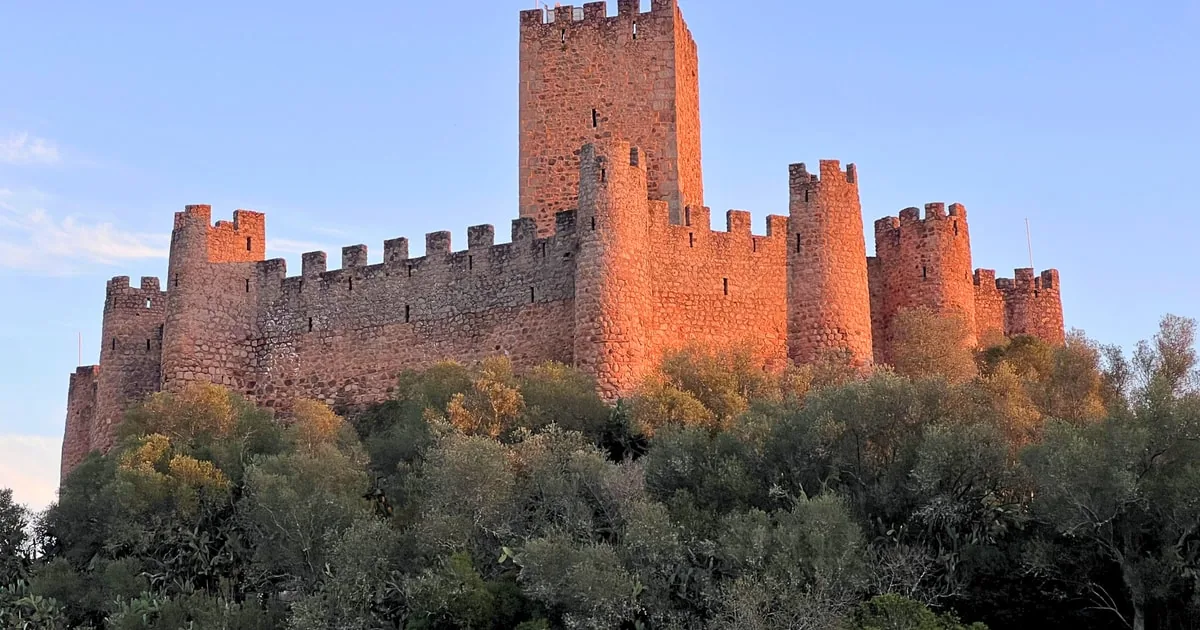
Lisbon: Knights Templar Tour - Almourol, Tomar and Convent of Christ
 The whole day, in Tomar
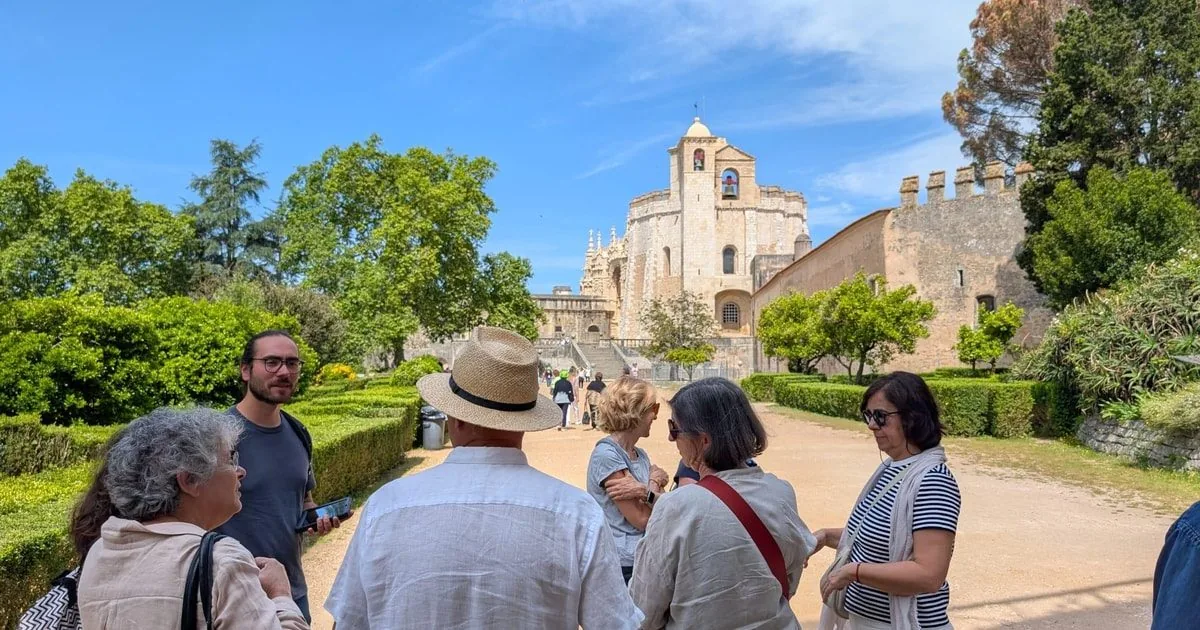
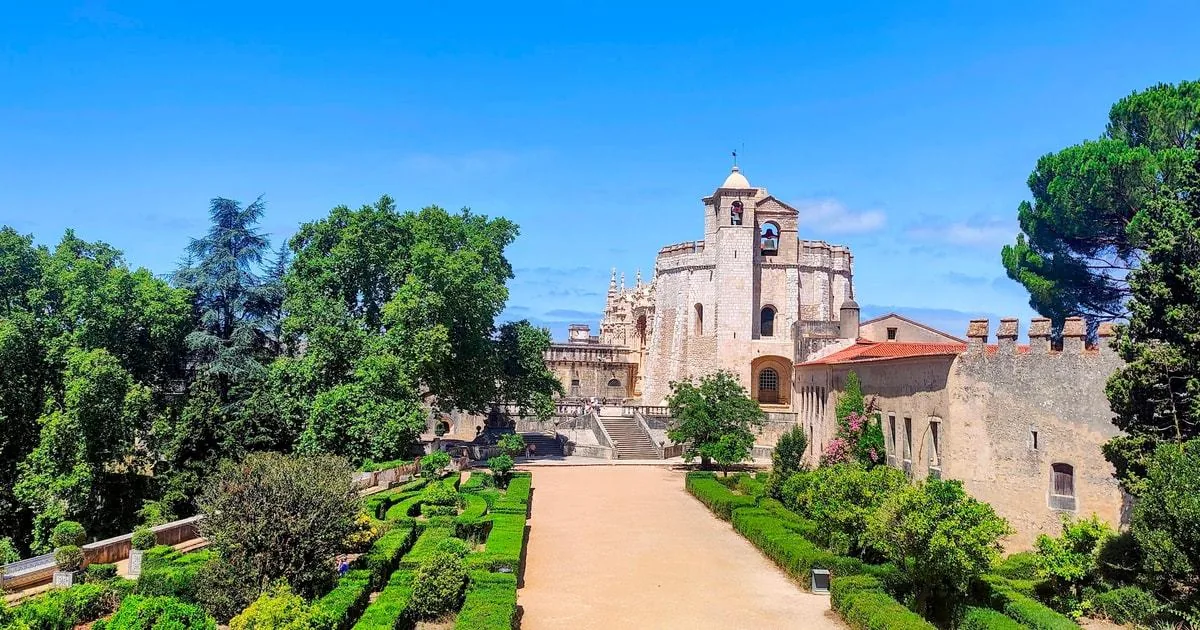
Tomar and the Templars Convent of Christ: A Historical Tale
 Convent and synagogue
Walking Tomar: Templar Secrets & Convent of Christ Included
Next: why the order was destroyed, what replaced it here, the king whose reign this happened in, and the Freemasonry question, answered.
Frequently asked questions
Which city in Portugal is the Templar city?
Tomar. The Knights Templar founded the town and began its castle on 1 March 1160 under Gualdim Pais, and the Convento de Cristo grew inside those walls. UNESCO inscribed the complex in 1983 as the Convent of Christ in Tomar.
Who was Gualdim Pais?
The Templar master in Portugal who founded Tomar. He was made Master in 1157, began the castle on 1 March 1160 and gave the town its charter in 1162. UNESCO calls him grand master of the Knights Templar; that office was a single international one held in the East, so Master of the Templars in Portugal is the accurate form.
Were the Knights Templar Christian?
Yes — a Catholic military religious order whose members took religious vows. The heresy charges of the fourteenth century never produced a conviction: the bull that dissolved the order states that legal process did not permit its canonical condemnation as heretical by definitive sentence.
What nationality were the Knights Templar?
None in particular. It was an international order organised in provinces across Latin Christendom under one Grand Master. The Templars at Tomar were largely Portuguese — Gualdim Pais was born in 1118 at Amares, in the County of Portugal — but the order itself was not a national body.
Where was the Templar castle in Portugal?
Tomar, in the Ribatejo, about 135 km from Lisbon. The Templars were granted the frontier castle of Soure in 1128 and the lands of Ceras in 1159; rather than repair the ruined castle at Ceras, Gualdim Pais built a new one at Tomar from the ground up, starting on 1 March 1160.
What was the relationship between Portugal and the Templars?
Old and unusually good. Soure was donated to the Temple in 1128, the year the Rule was written, and Ceras followed in 1159. At the dissolution the Portuguese Templars were not persecuted, no arrests are recorded, and the pope expressly excepted their property from the transfer to the Hospitallers.